Source Washable Natural Hallway Runner for Living Room, Office, Hotel
Compare 30 listings of washable natural hallway runner options suitable for living rooms, offices, and hotels. Buyers can review features like stain resistance, non-slip backing, and customization availability across various sizes and styles.
Key considerations
Products List
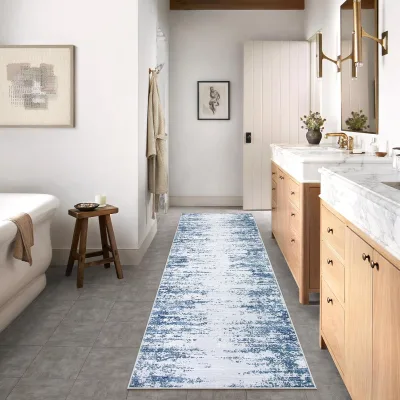


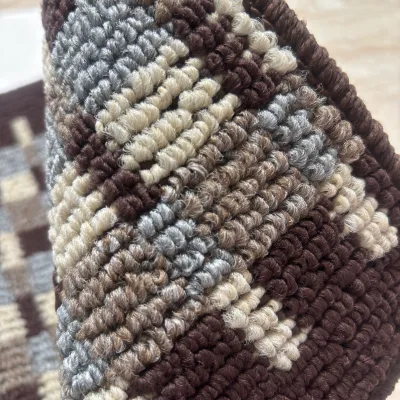




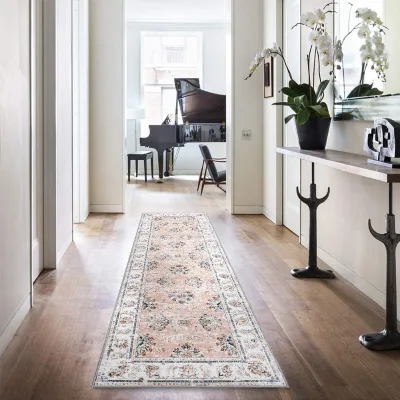
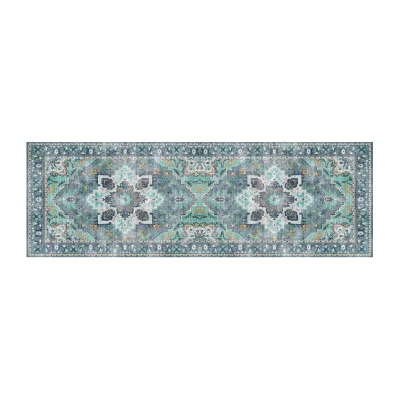

Comprehensive Sourcing Guide
Strategic Sourcing Guide for Washable Natural Hallway Runners
The procurement of washable natural hallway runners requires a disciplined approach that balances aesthetic requirements with rigorous functional testing. Buyers entering this market must navigate a complex landscape where "natural" materials often compete with synthetic alternatives regarding durability and maintenance. The core keyword implies a need for products that can withstand high-traffic environments while maintaining a specific visual profile. This guide synthesizes available product data and industry standards to provide a framework for evaluating potential suppliers and defining precise technical requirements. The following sections detail the critical attributes, compliance checks, and evaluation strategies necessary for a successful sourcing campaign.
Defining Technical Specifications and Material Composition
The first step in sourcing is establishing a clear definition of technical specifications, particularly regarding material composition and construction. While the keyword suggests "natural" fibers, the observed market data indicates a significant presence of synthetic options that mimic natural aesthetics while offering superior performance in washable applications. For instance, product attributes frequently list Polyester as the primary material, often combined with specific pile heights and backing types. A "natural" hallway runner in a commercial context often necessitates a hybrid approach or a specific synthetic blend that meets the "washable" and "stain-resistant" criteria without compromising the visual texture.
Buyers must verify the pile height and density, as these directly impact the runner's ability to hide dirt and resist wear in high-traffic hallways. The data indicates that low pile options are prevalent, which is generally preferred for hallways to prevent tripping hazards and facilitate easier cleaning. However, the "natural" aesthetic often demands a specific texture that low-pile synthetics must replicate through advanced weaving techniques. The backing is another critical specification; while some listings mention "other" backing types, buyers should explicitly request details on the backing material to ensure it provides the necessary non-slip properties required for safety in hallways and staircases.
Furthermore, the shape and dimensions of the runner are paramount. Standard hallway runners often come in rectangular formats, with specific size ranges such as 2x6ft, 2.5x8ft, and 2.5x10ft being common in the market. However, customization is a key feature observed in the supply chain, allowing buyers to specify exact widths and lengths to fit unique architectural constraints. The grammage, or weight per square meter, is another technical metric that influences durability. Observed ranges suggest a spectrum from 20 to 260 GSM, where higher weights generally correlate with better durability and a more substantial feel, though the optimal weight depends on the specific traffic volume of the intended location.
Compliance, Certification, and Safety Standards
Ensuring that hallway runners meet safety and environmental compliance standards is a non-negotiable aspect of B2B procurement, especially for applications in hotels, offices, and public spaces. The term "washable" implies that the product will undergo repeated cleaning cycles, which necessitates verification of colorfastness and dimensional stability. Buyers should require suppliers to provide test reports confirming that the product retains its color and shape after multiple wash cycles, particularly if the cleaning method involves hand washing or machine washing, as indicated by varying cleaning instructions in the market.
Safety certifications are equally critical. Hallway runners must often comply with flammability standards, particularly in commercial settings like hotels and offices. While specific certification names were not explicitly listed in the provided product data, buyers must verify that the supplier can demonstrate compliance with local fire safety regulations, such as those governing flame spread and smoke density. The presence of features like "Anti-static" and "Non-Slip" in product attributes suggests that some suppliers are already addressing safety concerns, but these claims must be backed by third-party testing data.
Environmental compliance is another area requiring strict verification. If the "natural" aspect of the keyword is a primary selling point, buyers should inquire about the sustainability of the materials used. This includes verifying whether the polyester or other fibers are recycled, and if the dyes used are free from harmful substances. The "Pet Friendly" attribute observed in some listings indicates a focus on hypoallergenic and durable materials, which often aligns with broader environmental and health standards. Buyers should request documentation regarding the absence of volatile organic compounds (VOCs) and heavy metals to ensure the product is safe for indoor air quality.
Cost Drivers and Pricing Dynamics
Understanding the cost drivers for washable natural hallway runners is essential for budgeting and negotiating effectively. The price range observed in the market spans from $0.20 to $80.00 USD, a wide variance that reflects differences in material quality, production techniques, and customization levels. Several factors influence where a specific product falls within this range. The primary driver is the material composition; natural fibers like wool or cotton typically command higher prices than synthetic alternatives like polyester, although the latter offers greater durability and lower maintenance costs.
Production techniques also play a significant role in cost determination. The data indicates both "Machine Made" and "Printed" techniques, as well as "Jacquard" and "Dobby" craftsmanship. More complex weaving patterns, such as Jacquard, generally incur higher production costs due to the time and machinery required. Similarly, custom designs and logos add to the overall cost, as they require setup fees and specialized production runs. The "Customization" attribute is a key cost driver, as bespoke sizing and branding increase the complexity of the manufacturing process.
Minimum Order Quantities (MOQ) are another critical cost factor. The observed MOQ range spans from 1 to 20,000 units, with some specific listings indicating an MOQ of 200 pieces. Higher MOQs typically result in a lower unit cost due to economies of scale, while smaller orders may carry a premium. Buyers must balance their inventory needs with the MOQ requirements to optimize their total cost of ownership. Additionally, the packing method, such as "Carton" or "Woven Bag," can impact shipping costs and overall logistics expenses, which should be factored into the total landed cost calculation.
Typical Applications and Usage Scenarios
The versatility of hallway runners makes them suitable for a wide array of applications, from residential spaces to commercial environments. The observed usage data highlights settings such as Home, Hotel, Outdoor, Office, Kitchen, Bedroom, Bathroom, Door, Hallway, and Kids & teen room. This broad applicability requires buyers to understand the specific performance requirements of each environment. For instance, runners intended for outdoor use must possess features like "Waterproof" and "High Temperature-Resistant" to withstand exposure to the elements, while those for indoor hallways prioritize "Non-Slip" and "Stain Resistant" properties.
In commercial settings like hotels and offices, durability and ease of maintenance are paramount. Runners in these environments are subjected to heavy foot traffic and frequent cleaning, necessitating materials that can withstand rigorous washing without degrading. The "Washable" and "Stain Resistant" attributes are particularly valuable here, as they reduce long-term maintenance costs and extend the product's lifespan. In residential settings, aesthetics and comfort often take precedence, with buyers looking for "Boho" or "Abstract" patterns that complement interior design schemes.
The "Pet Friendly" attribute is increasingly relevant for both residential and commercial applications, as it indicates a material that can withstand scratches and stains from pets. This feature is particularly important for hallway runners in homes with animals or in pet-friendly hotels. Additionally, the "Disposable" feature observed in some listings suggests a specific use case for temporary events or short-term installations, where the cost of replacement is lower than the cost of cleaning and maintenance. Buyers must align the product's features with the specific demands of the intended application to ensure optimal performance.
Supplier Evaluation and Quality Control Protocols
Evaluating suppliers requires a multi-faceted approach that goes beyond price and lead time. The location of the supplier, such as Tianjin or Zhejiang in China, can influence shipping costs and lead times, but it is not the sole determinant of quality. Buyers should prioritize suppliers who demonstrate a commitment to quality control through rigorous testing and certification processes. The presence of specific product models and standards, such as "ZQ-2280ZQ-2281" or "16"(W) X 72"(L)," indicates a level of standardization that can be leveraged for quality assurance.
Quality control protocols should include pre-production sampling, in-process inspections, and final random inspections. Buyers should verify that the supplier has a documented quality management system in place, such as ISO 9001, and that they conduct regular tests for colorfastness, shrinkage, and tensile strength. The "Customization" and "Custom Designs" attributes suggest that suppliers should have the capability to handle bespoke orders without compromising quality. This requires a robust communication channel and a clear understanding of the buyer's specifications.
Supplier reliability is also a critical factor. Buyers should assess the supplier's ability to meet delivery deadlines and handle unexpected production issues. The observed MOQ and lead time variations suggest that some suppliers may have more flexible production capacities than others. It is advisable to request references from previous clients and to conduct site visits if possible to verify the supplier's manufacturing capabilities and working conditions. Transparency in the supply chain, including the origin of raw materials and the production process, is also a key indicator of a reliable supplier.
Long-Term Procurement Considerations and Sustainability
Long-term procurement considerations extend beyond the initial purchase to include the product's lifecycle, maintenance requirements, and environmental impact. The "Washable" nature of the product suggests that it will require regular cleaning, which can impact the total cost of ownership over time. Buyers should evaluate the durability of the material and its ability to withstand repeated cleaning cycles without losing its aesthetic or functional properties. The "High Temperature-Resistant" and "Oilproof" features are particularly relevant for long-term use, as they indicate a product that can withstand harsh cleaning agents and high-temperature washing.
Sustainability is an increasingly important factor in B2B procurement. Buyers should consider the environmental impact of the materials used, the production process, and the end-of-life disposal of the product. The "Pet Friendly" and "Non-Slip" attributes may align with broader sustainability goals, such as creating safer and healthier indoor environments. Additionally, the "Customization" option allows buyers to specify eco-friendly materials or production methods, further enhancing the product's sustainability profile.
Finally, buyers should consider the scalability of their procurement strategy. As business needs evolve, the ability to source additional units or customize new designs becomes crucial. Suppliers who offer flexible MOQs and a wide range of customization options are better positioned to support long-term growth. By focusing on these long-term considerations, buyers can ensure that their procurement strategy remains aligned with their strategic goals and market demands.
FAQs
What materials are used for washable natural hallway runners?
Polyester is the primary material used for these washable runners, often featuring low pile heights. While the keyword suggests natural fibers, the observed market data indicates a significant presence of synthetic options that mimic natural aesthetics while offering superior performance in washable applications.
How can I verify safety standards for commercial hallway runners?
Buyers must verify that the supplier can demonstrate compliance with local fire safety regulations and provide third-party testing data. Features like Anti-static and Non-Slip are observed, but these claims must be backed by test reports confirming colorfastness and dimensional stability after repeated cleaning cycles.
Which dimensions are standard for rectangular hallway runners?
Standard hallway runners often come in rectangular formats with sizes such as 2x6ft, 2.5x8ft, and 2.5x10ft being common. Customization is a key feature observed in the supply chain, allowing buyers to specify exact widths and lengths to fit unique architectural constraints beyond these standard dimensions.
Can I customize the logo and design of the hallway runner?
Yes, customization is available for logos and custom designs, which adds to the overall cost due to setup fees. Buyers should expect that bespoke sizing and branding increase the complexity of the manufacturing process, often requiring a higher minimum order quantity to optimize the unit cost.
What is the typical price range for washable hallway runners?
The price range observed in the market spans from $0.20 to $80.00 USD, reflecting differences in material quality and production techniques. Factors influencing cost include the material composition, such as polyester versus natural fibers, and the complexity of weaving patterns like Jacquard or Dobby craftsmanship.
How does pile height affect the performance of hallway runners?
Low pile options are prevalent and generally preferred for hallways to prevent tripping hazards and facilitate easier cleaning. The pile height and density directly impact the runner's ability to hide dirt and resist wear in high-traffic environments, influencing the overall durability and maintenance requirements.
What are the cleaning methods for these washable runners?
Cleaning methods vary, with some products requiring hand wash only while others support machine washing for repeated cycles. Buyers should require suppliers to provide test reports confirming that the product retains its color and shape after multiple wash cycles to ensure long-term durability and aesthetic retention.